

What if quarterbacks could get mental reps anywhere?
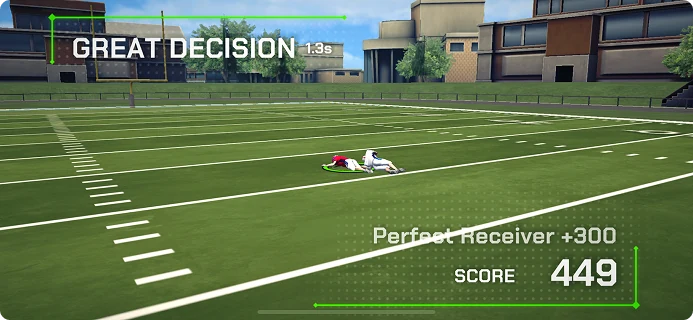
An NFL offensive coordinator came to us with the seed of an idea: what if quarterbacks could watch a play unfold in a 3D environment on their phone, read the defense, and choose where to throw?
The initial proof of concept was closer to a video game than a training platform. Our job was to figure out what it would take to turn that idea into a tool that could actually help quarterbacks improve.
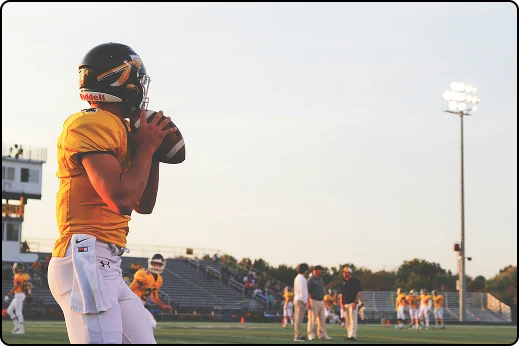
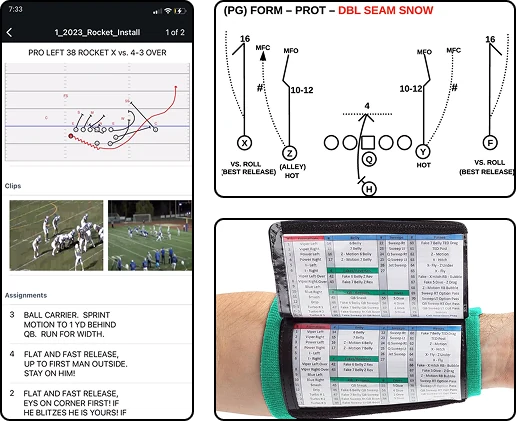
I came into Crucible knowing very little about the mechanics of quarterback decision-making. To design the experience, I first had to understand how quarterbacks actually learn.
I worked closely with our NFL coaching partner, observing how he worked and interviewing him about how quarterbacks prepare, read defenses, and make decisions. He also connected us with other coaches and quarterback specialists who helped us understand how those skills were taught at different levels of the game.

Research.
Challenge
Support, Sales, Product, and UX all developed different perspectives on what mattered most because each team interacted with customers in different ways. I wanted a way to bring those perspectives together into a single, evolving understanding of our users.
My approach
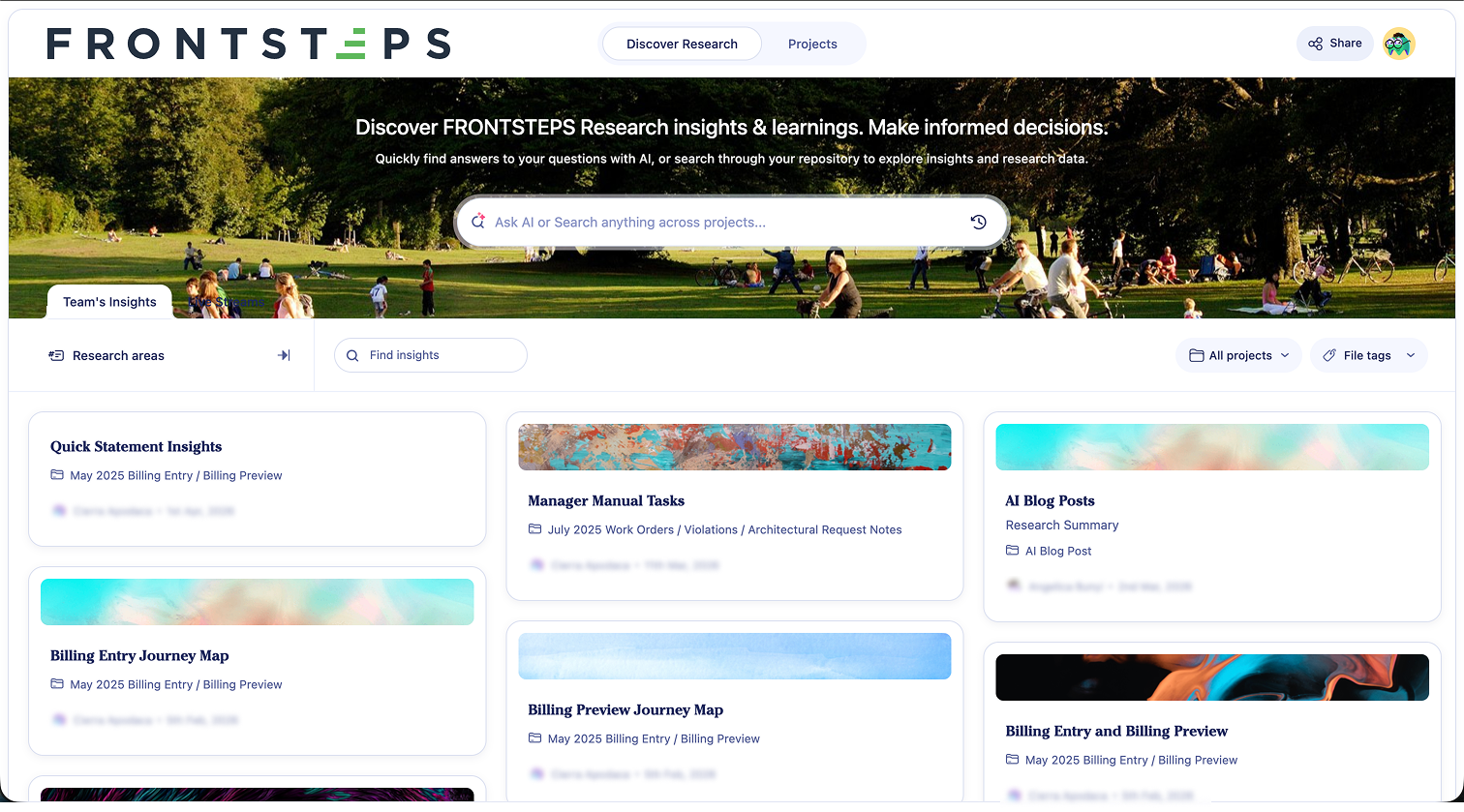
A new way of working

Questions we could answer
"What are the biggest pain points across our customer base?"
"What evidence supports this roadmap initiative?"
"Can you surface quotes from customers struggling with this workflow?"
"How do support conversations compare with our interview findings?"
"Has customer sentiment changed since we last worked on this feature?"
"Which problems consistently appear across support, sales, and UX research?"
Example
Resident Login AI Assistant Strategy
Looking across support conversations, customer interviews, sales calls, and product demos revealed a different story. Login wasn’t the real problem. Residents were struggling to understand how their community worked digitally—which portal to use, what they could do there, and how to complete common tasks.
That shifted our strategy from improving authentication to improving guidance.
Rather than building a better login flow, we explored an AI assistant grounded in each community’s documents, rules, and processes. Instead of simply helping residents get into the platform, it could guide them from their first question through task completion while reducing support requests for both residents and property management teams.
Outcomes


Design systems.
Challenge
Without clear standards, AI-generated interfaces were inconsistent and often required significant refinement before they could be used.
My approach
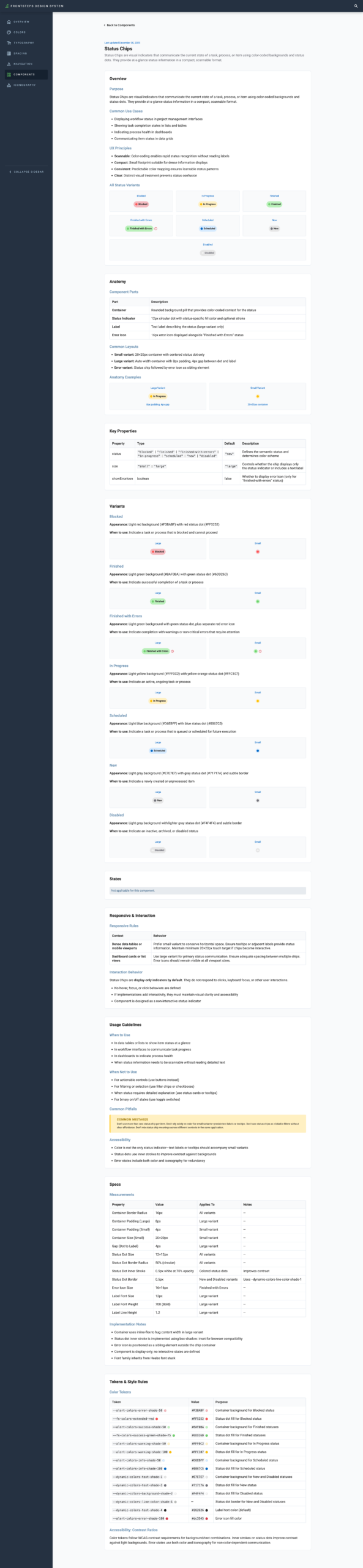
Using those insights, I redesigned our design system around a single goal: helping both people and AI understand not just what to build, but how and why components were used.
Building an AI-native design system

Usage guidance
Human-readable and AI-readable documentation.
Component API
Explicit variants and properties that AI can reliably reference.
Implementation guidance
Design intent alongside engineering considerations.
Design tokens
Shared language between design and engineering.
Outcomes


Working together.
Challenge
My approach.
By documenting processes, building common resources, collaborating closely with engineering, and encouraging experimentation across disciplines, we established a more consistent way of working that everyone could build upon.
How we worked together
What changed
That changed where we spent our time. Instead of rebuilding context, we could focus on evaluating ideas, refining experiences, validating decisions, and moving products toward production with greater confidence.


Let's Chat