

Overview.
Working closely with product managers, engineers, and our AI-focused engineering lead, I introduced shared workflows, systems, and AI-assisted practices that improved product understanding, customer research, design systems, and the experiences we ultimately shipped. As the tools evolved, that work expanded into implementation, allowing me to develop and contribute production code directly within our engineering workflow.
How we integrated AI.
Product understanding.
Challenge
Product documentation, engineering conversations, legacy workflows, business requirements, support history, research findings, screenshots, and competitive analysis all contained valuable context, but they rarely lived in one place.
My approach
Rather than treating AI as another design tool, I used it to capture and preserve product understanding throughout the design process.
By bringing documentation, research, business context, and design thinking together in one place, I could spend less time rebuilding context and more time solving the problem.
Evolution
As AI capabilities evolved, so did the way I built product understanding. I shifted from asking individual questions to building an environment where AI served as a historian of the product—preserving the details, decisions, and context so I could focus on solving the right problems.
Started Here
Assistant
“Rewrite this.”
“Summarize this.”
“Brainstorm ideas.”
Today
Partner
“Which approach feels stronger?”
“What trade-offs am I overlooking?”
“Would another pattern work better?”
Today
Teammate
“What’s changed?”
“What should we revisit?”
Outcomes


Research.
Challenge
Support, Sales, Product, and UX all developed different perspectives on what mattered most because each team interacted with customers in different ways. I wanted a way to bring those perspectives together into a single, evolving understanding of our users.
My approach
By bringing together support conversations, sales calls, product demos, formal research, surveys, analytics, and roadmap feedback into a single searchable repository, we could move beyond individual opinions and explore what our customers were consistently telling us.
Instead of asking, “Who do we believe?” we could ask, “What does the evidence say?”
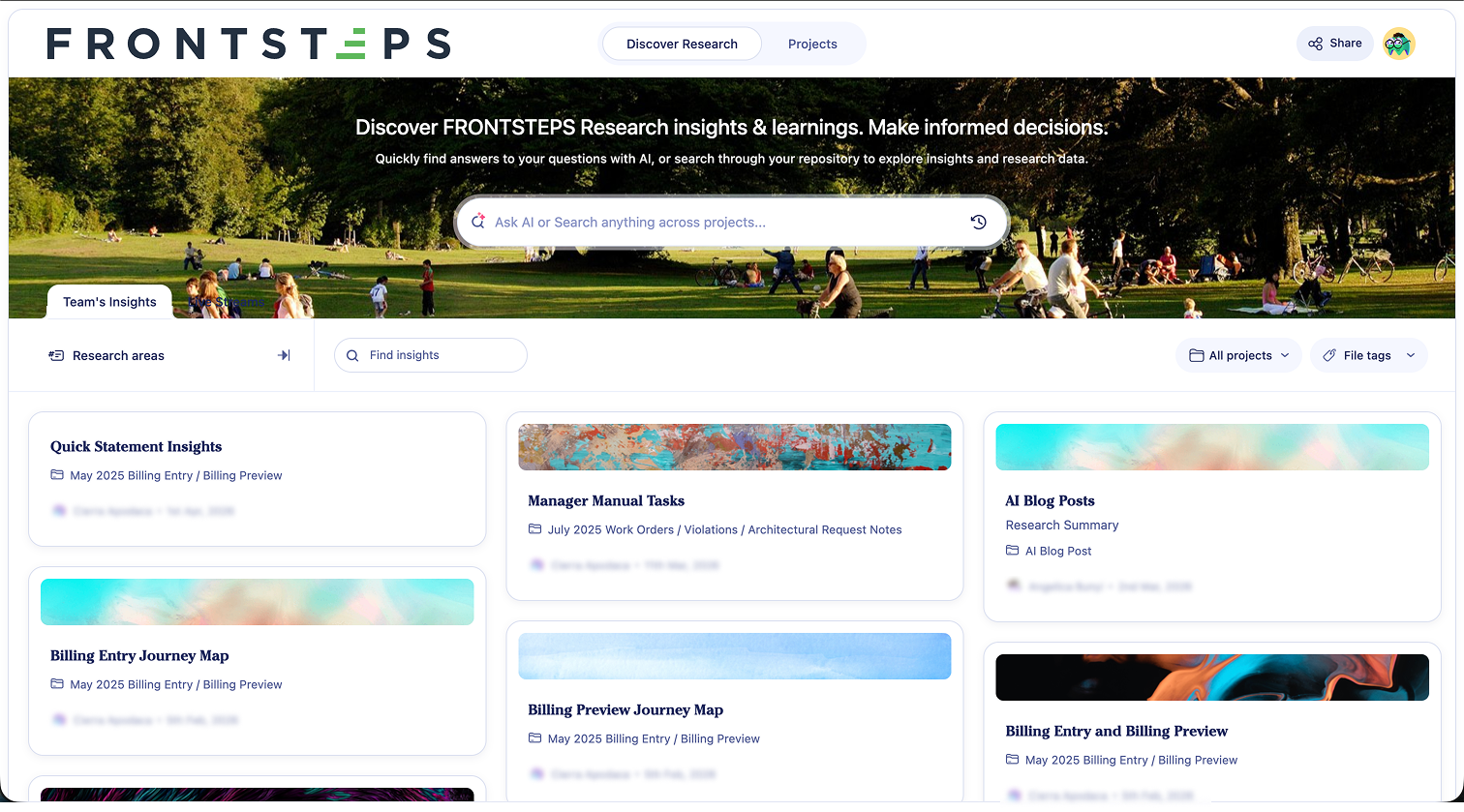
A new way of working

Questions we could answer
"What are the biggest pain points across our customer base?"
"What evidence supports this roadmap initiative?"
"Can you surface quotes from customers struggling with this workflow?"
"How do support conversations compare with our interview findings?"
"Has customer sentiment changed since we last worked on this feature?"
"Which problems consistently appear across support, sales, and UX research?"
Example
Resident Login AI Assistant Strategy
Looking across support conversations, customer interviews, sales calls, and product demos revealed a different story. Login wasn’t the real problem. Residents were struggling to understand how their community worked digitally—which portal to use, what they could do there, and how to complete common tasks.
That shifted our strategy from improving authentication to improving guidance.
Rather than building a better login flow, we explored an AI assistant grounded in each community’s documents, rules, and processes. Instead of simply helping residents get into the platform, it could guide them from their first question through task completion while reducing support requests for both residents and property management teams.
Outcomes


Implementation.
Challenge
Handoff meant translating design intent into engineering requirements, reviewing the result, and working back through details that often became clearer once the design was running in the actual product.
My approach
I can now develop UI changes in the actual product, work through technical constraints as they surface, test and refine the experience in context, and push completed code for engineering review.
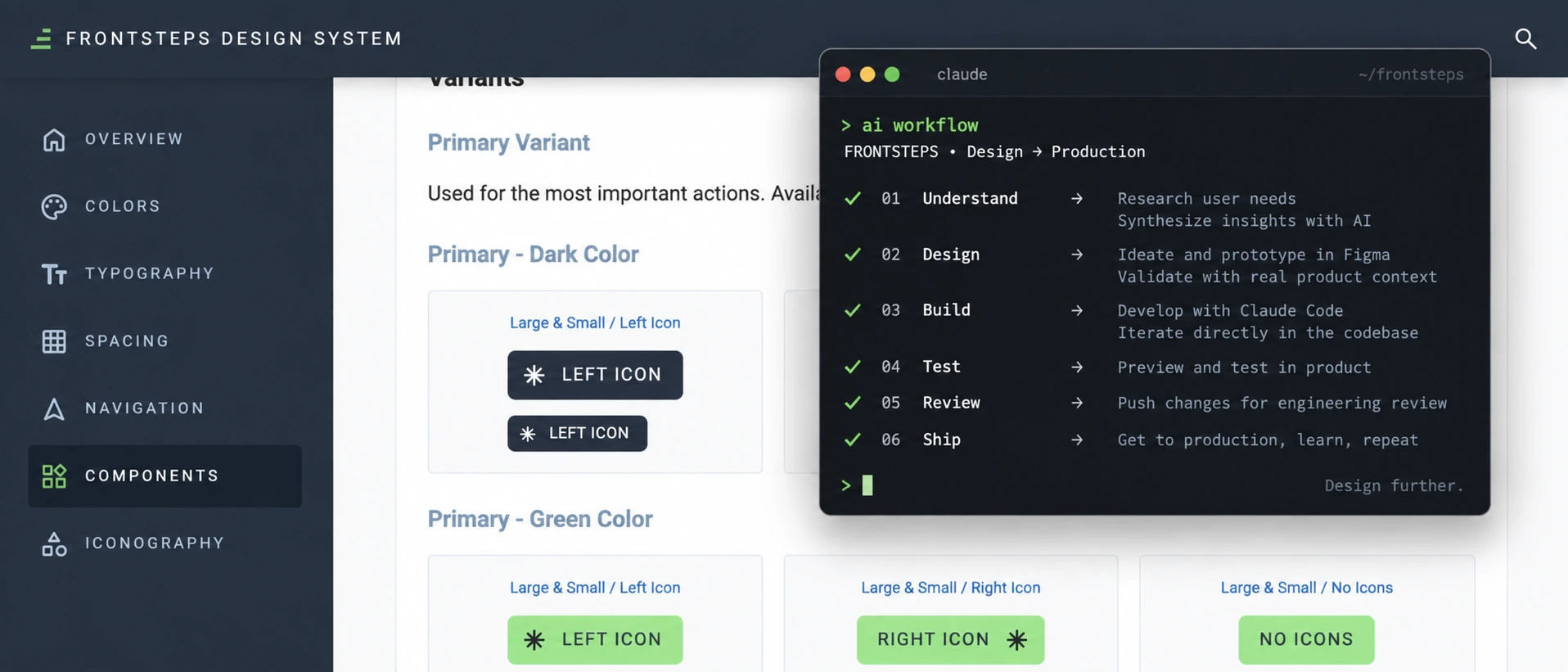
Evolution
This changed more than the speed of implementation. It changed where design could participate in the development process.
Instead of treating the design as finished at handoff, I can continue making design decisions in the product itself. Engineering still owns technical review and approval, but we can start that conversation around working code rather than a static specification.
A new way of working
Outcomes


Design systems.
Challenge
Without clear standards, AI-generated interfaces were inconsistent and often required significant refinement before they could be used.
My approach
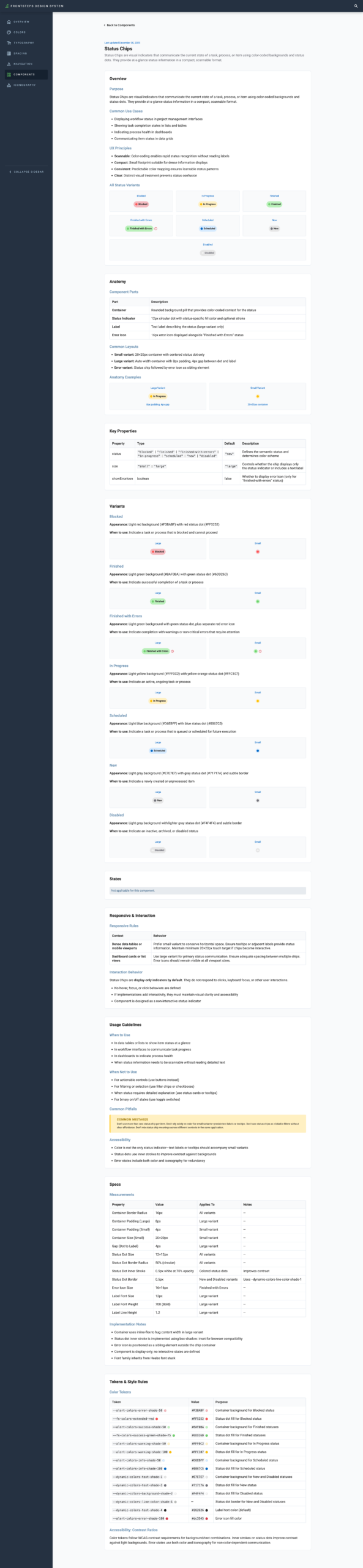
Using those insights, I redesigned our design system around a single goal: helping both people and AI understand not just what to build, but how and why components were used.
Building an AI-native design system

Usage guidance
Human-readable and AI-readable documentation.
Component API
Explicit variants and properties that AI can reliably reference.
Implementation guidance
Design intent alongside engineering considerations.
Design tokens
Shared language between design and engineering.
Outcomes


Working together.
Challenge
My approach.
By documenting processes, building common resources, collaborating closely with engineering, and encouraging experimentation across disciplines, we established a more consistent way of working that everyone could build upon.
How we worked together
What changed
That changed where we spent our time and how far design could carry the work. Instead of rebuilding context or stopping at handoff, we could focus on evaluating ideas, refining experiences, validating decisions, and working together on real implementations with greater context and confidence.


Let's Chat